Beginnings in the Kitchen
I worked as a cook in several restaurants. The job meant long hours—twelve-hour shifts were common. The short week and long week schedule had its charm, especially the short one. Daily routine was part of the work, but learning new things was the motivation. If the financial compensation was fair, it was manageable.
An important factor for a cook is a professional kitchen—its equipment and working environment. Ideally, it should be designed by someone from the industry. A poorly designed kitchen is either suffering or a challenge; it depends on the situation and motivation. When everything works well, the team is friendly, and the reward is fair, the job becomes a joy.
When the Dream of Gastronomy Meets Reality: Beginnings Full of Disappointment
I went through the martyrdom of pseudo-restaurateurs. It was enough for someone to be the owner, yet have no understanding of gastronomy at all. A kitchen taken from a cottage, the boss’s naive ideas about running a gastronomic business—altogether it resembled a bad fairy tale with an even worse ending. There is a saying: “A lot of music for little money.” It doesn’t apply.
You cannot cook on a makeshift stove and at the same time handle à la carte service for 50 people plus a daily menu. In some places, after just a few days I knew I had to look for another kitchen. My beginnings were difficult. I remember kicking my backpack with my cooking gear on the way home and crying along the road. I hated everything.
I didn’t know what a combi oven was, and no one trained me. I reheated fried schnitzels and dumplings in it at the same time—of course using the steam-bake function. With my head down, I served lunch to two-meter-tall construction workers: Szeged goulash with hard dumplings or a schnitzel “as thin as a five-crown coin” with rice. For the first and last time, I was fired from a job.
The Path to Experience
Life went on, and I gradually developed a relationship with cooking. I worked in various restaurants and later in hotels. The difference was clear—everything depended on the owner’s relationship with gastronomy. It only took a short time working somewhere to know whether it made sense.
An owner who understands that in the kitchen you are working with his money will help you when pressure comes. Once I said that I didn’t know how to cook something. Without hesitation, he put on an apron, and during the first order I was only an observer. Lunch service was pure hell. I “skated” through the rush myself, never stopping. À la carte. Daily menus were not common then; the menu was fixed. The owner’s mother would come to wash the white porcelain dishes for me.
Billions of hours in a row. Work, work, work. But better than when there is no work. And on top of it all, a ridiculous pittance. For the first time it was clear to me—it wasn’t about the salary, but about becoming a cook. To learn. And to survive the endless stress and pressure.
Cook in a Hotel
I lasted half a year. Then an offer came through a friend—a job in a hotel. Incredibly clean work, a high standard, a completely different level of gastronomy. I felt like a peacock, proudly walking through the kitchen, absorbing the atmosphere and learning every day.
There were periods when I didn’t even have time to spend the money I earned. Hard-worked 240 hours a month—everyone knows it. You fall asleep on a date after the first drink from exhaustion. People only see the paycheck, but no one would trade for those hours at work.
Gradually, I worked my way up. I worked in other hotels until I eventually managed a restaurant. However, I was never a head chef.
My Dream – Launching a Restaurant
Launching a restaurant was both a challenge and a huge dream for me. First, I assembled a team of people. During that time I practically lived at work—I even adapted my housing so I would always be close by.
I always wanted to be a restaurant manager. To set up a professional kitchen, build everything needed for a successful opening and operation of a place where guests would be happy to return. Designing the menu, creating the daily menu, selecting suppliers—this was my passion.
Everyday Challenges in Running a Restaurant
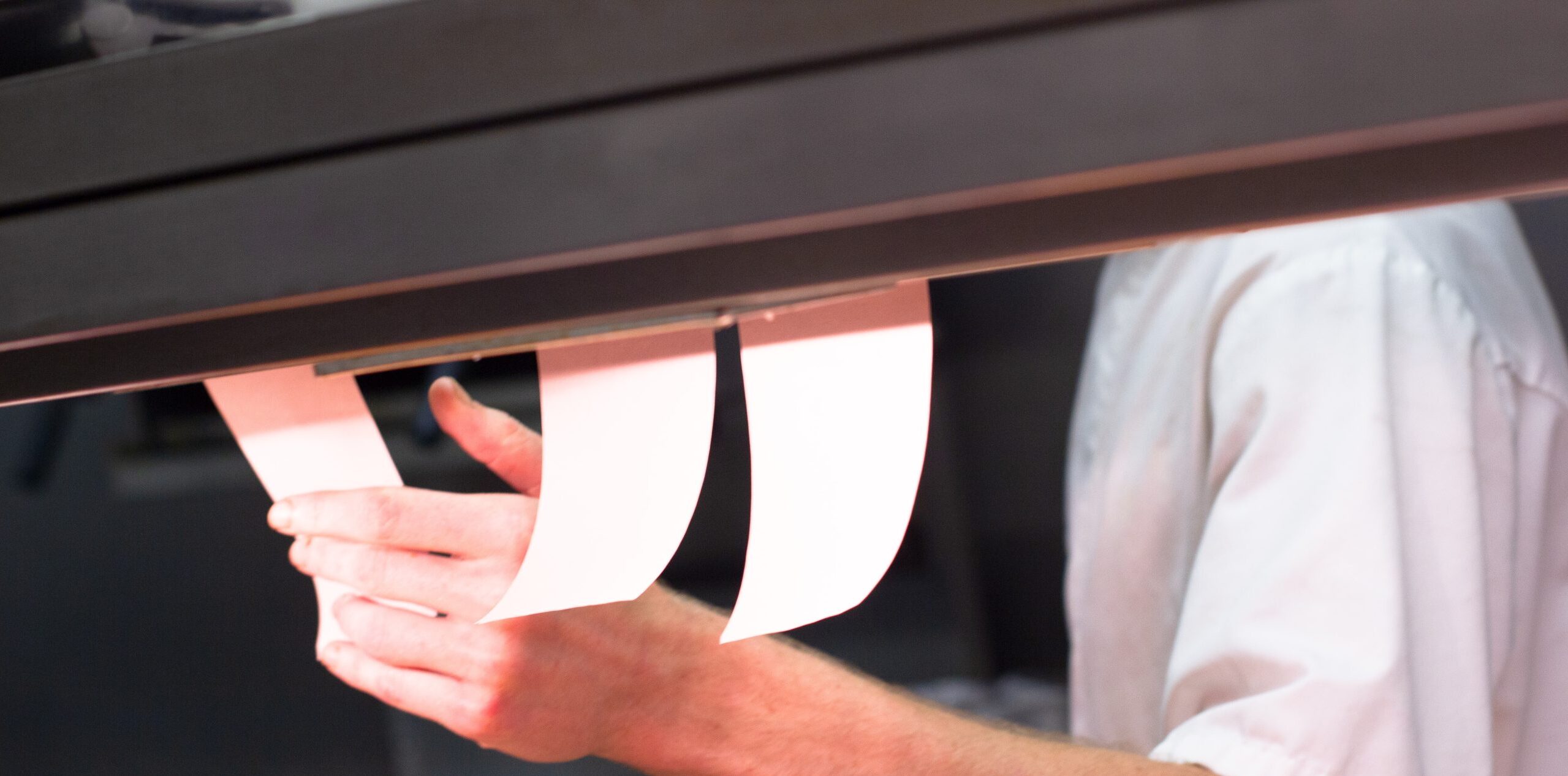
Daily concerns with ordering goods, choosing suppliers, fighting with prices. Writing down on pieces of paper what needed to be bought and what was missing. Creating inventory management. Ingredients, recipes. Constant menu planning. A recipe database in the system connected to inventory.
I started planning ahead so that I had an idea of the menu for two weeks in advance. On paper, together with the cook. Adjustments, rewriting into Word, then printing. Endless time spent on it, essentially doing the work twice. I wrote down planning procedures and wanted to automate them.
Fudoma – Automation and Efficiency in Gastronomy
That is what the Fudoma application is about. It is about automating processes, planning, and economics in a restaurant. The system allows you to plan the daily menu in advance, keep history and a database. It can calculate the quantities of planned meals to be sold. It generates the required amounts of ingredients that need to be purchased. But most importantly, it saves time, input materials, large amounts of paper, recipes—and therefore money.
At the moment, I am involved in business, also in gastronomy. Today’s world of gastronomy is not easy, and anyone who thinks they will become a millionaire in two weeks without the necessary skills is mistaken. They should forget about it. Running a restaurant is demanding; in the end, we work with people.
In the Czech Republic, the system of daily menus and weekly menus has been functioning for a long time. Daily and weekly menus are a regular routine. Whether it is the head chef or the manager creating the weekly menu, it always takes a lot of time. Often everything is done at the last minute. Inventory checks, preferred dishes, traditions, the precise quantities of ingredients required, and endless pressure from suppliers. Your own database of recipes, necessary changes, inspiration, meal pricing, sales. These are all aspects that must be considered—without losing pace and while remaining flexible. Especially in these times.
It is clear that when creating menus we must stay alert, avoid stockpiling (and making mistakes), purchase advantageously, and cook with as little waste as possible. Throughout my time cooking and managing, I searched for answers on how to make this entire cycle more efficient.
Summary
Together with a team, we created an application that enables planning of a shopping list, printing of the daily menu, and management of history.
In addition, we included a matrix with 3,000 recipes that can be customized according to your own needs and the functions of the application.
I would like to approach you with a request for help in facilitating marketing and supporting our project in gastronomy. In today’s world, it is crucial to work efficiently and save time. I look forward to the further development of the application and its direction, which depends on essential feedback.
Thank you for your response.
Ľudovít D., Founder of Fudoma